Before You Launch Your Next Strategy, Ask These Three Questions
As organizations look ahead to a new year, there’s an opportunity to reflect on what previous change efforts have taught us.Where did people embrace the vision or new ways of working? How did leaders help teams adapt? Where did momentum slow? And what made change more difficult than anticipated?
These questions can reveal valuable insights about an organization’s readiness for what comes next. As strategic priorities take shape for 2027, those insights can help leaders identify the capabilities, behaviors, and organizational conditions needed to bring their strategies to life.
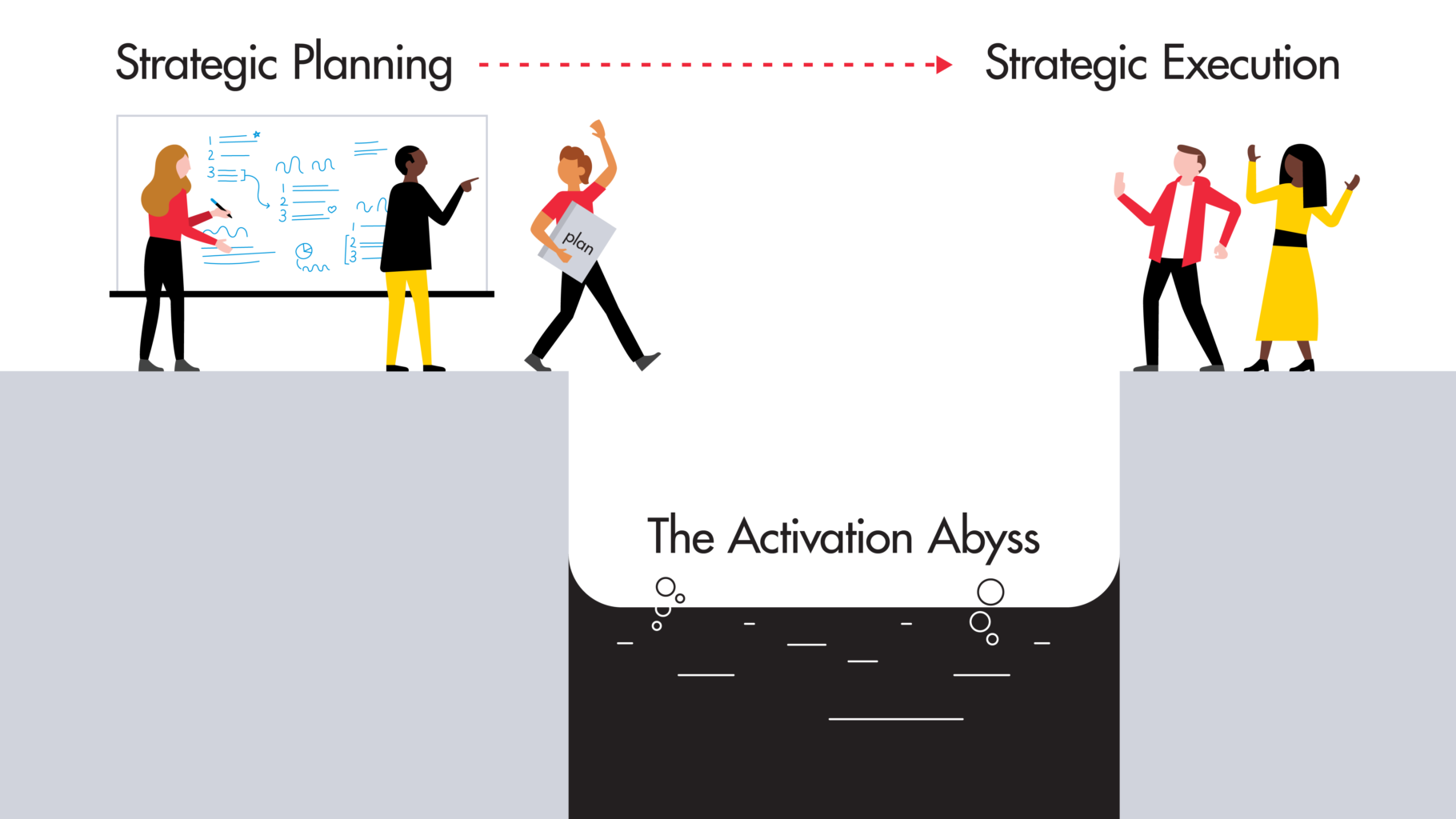
Even the most thoughtful strategies can lose momentum as they move from the boardroom into the day-to-day realities of work. Competing priorities emerge, familiar habits persist, and employees may interpret the same strategic direction in very different ways.
At XPLANE, we call this gap between strategic intent and organizational action the Activation Abyss. Bridging it requires intentionally engaging people, translating strategy into meaningful behaviors, and designing the conditions that help change take hold.
As you prepare for the year ahead, consider three questions that can help turn strategic priorities into lasting organizational change.
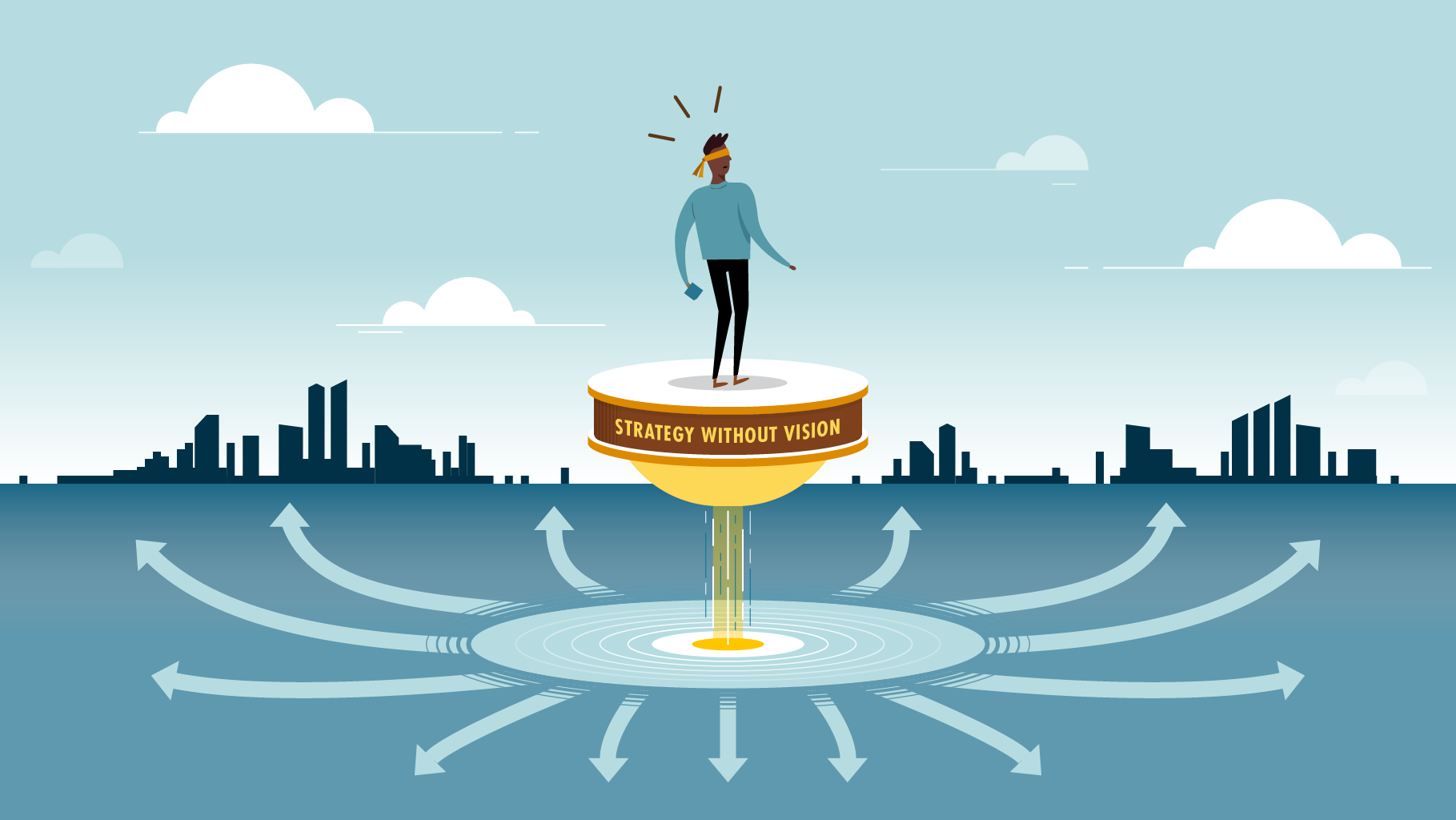
Can People See the Future You’re Asking Them to Create?
Building a shared understanding of the future begins by engaging the people who will bring the strategy to life. When employees and stakeholders have opportunities to help shape the direction, surface assumptions, and explore potential challenges, they develop a stronger understanding of the path forward and a greater sense of ownership in the outcome.
This is where visual thinking and co-creation can make a meaningful difference. By bringing diverse perspectives together to map the future state, explore implications, and make strategic priorities tangible, organizations can build alignment around a shared vision. These experiences also help leaders uncover gaps in understanding and address competing assumptions before they become barriers to progress.
As you look toward 2027, consider how your organization can make its strategy visible and create a shared understanding of what success looks like across teams.
Are leaders equipped to help teams translate that vision into action?
Shared understanding creates a strong foundation, but bringing strategy to life requires people to translate that understanding into everyday decisions, actions, and behaviors.
Leaders play a critical role in this transition. They help teams connect strategic priorities to their daily work, model desired behaviors, and create opportunities to build new capabilities. This is also where intentional activation matters. Because people move through change at different paces, intentional activation creates opportunities for employees to explore what the strategy means for their roles, participate in shaping solutions, and build the confidence to adopt new ways of working.
As you plan your next strategic initiative, think about the experiences, tools, and leadership capabilities people will need to confidently adopt new ways of working.
Are Your Systems Designed to Sustain the Change?
Even when people understand and embrace a new direction, the systems around them can influence whether new behaviors become lasting habits.
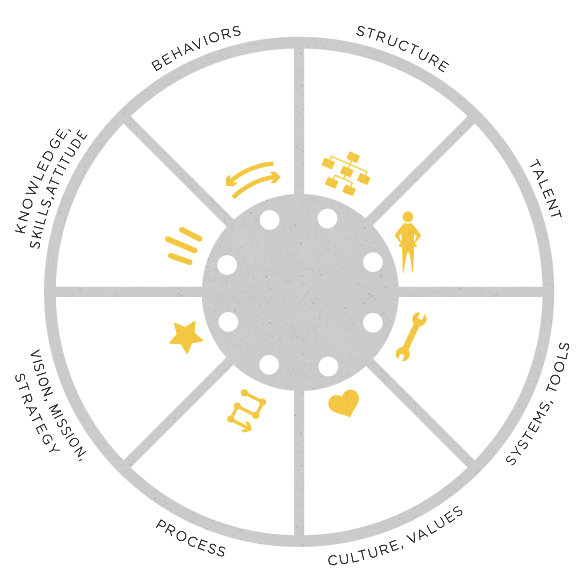
Organizational systems are often the invisible forces that shape how work actually gets done. Consider an organization that values cross-functional collaboration, yet continues to reward individual achievement, reinforce functional silos through existing processes, and concentrate decision-making authority. These systems can make the desired behaviors difficult to adopt and sustain.
Roles, incentives, governance, and measurement systems all influence what people prioritize, how decisions are made, and which behaviors are reinforced. Making these systems visible allows leaders to identify where organizational structures support their strategy and where they may create friction.
As organizations make decisions about 2027 investments and priorities, considering these structural conditions early can help ensure the systems that support everyday performance evolve alongside the strategy.
Make Activation Part of the Plan
Every new strategy brings an opportunity to rethink how an organization works, collaborates, and creates value. Lessons from previous change efforts can help leaders anticipate what their people will need to succeed in the next one.
At XPLANE, we believe successful strategy activation begins by making the invisible visible. When leaders understand how strategic priorities connect to people, behaviors, and organizational systems, they can design a clearer path from ambition to action.
As you finalize your 2027 priorities, consider how you can build activation into your strategy from the start, creating the conditions for meaningful change and lasting impact.